Most farms looking for crop spraying services are choosing between their own kit, a local contractor with a self-propelled sprayer, and, increasingly, a drone operator. These are not competing answers to the same question. They suit different ground, different field sizes and different jobs, and the cheapest option on paper is often the wrong one for the field in front of you.
Conventional contractors and drone operators do different jobs
A conventional agricultural spraying contractor brings a boom sprayer, a large tank and the certification to apply licensed products. On open, travelable ground they are hard to beat: high output, low cost per hectare, and a well-established route to getting a whole farm covered in a tight weather window.
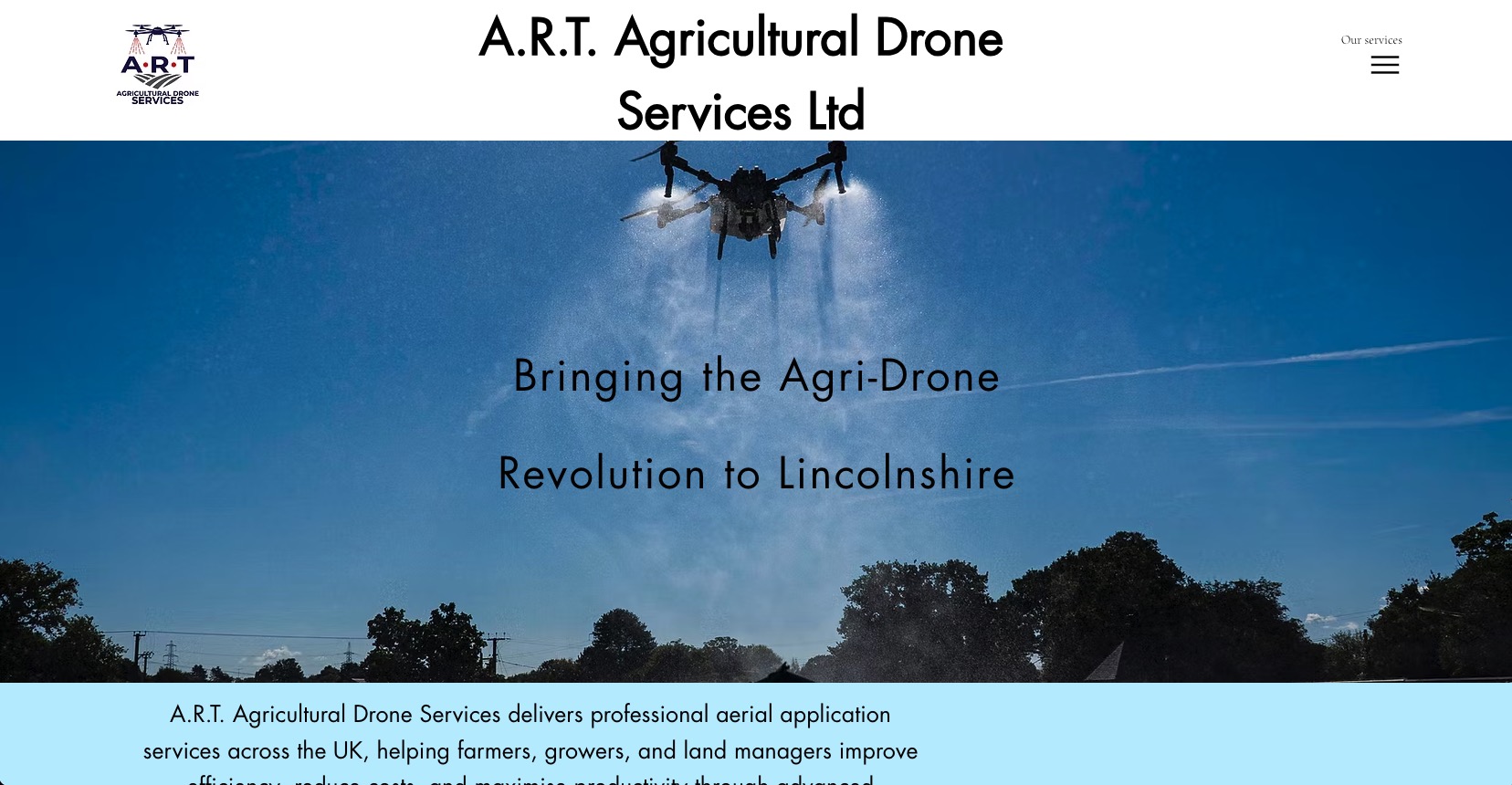
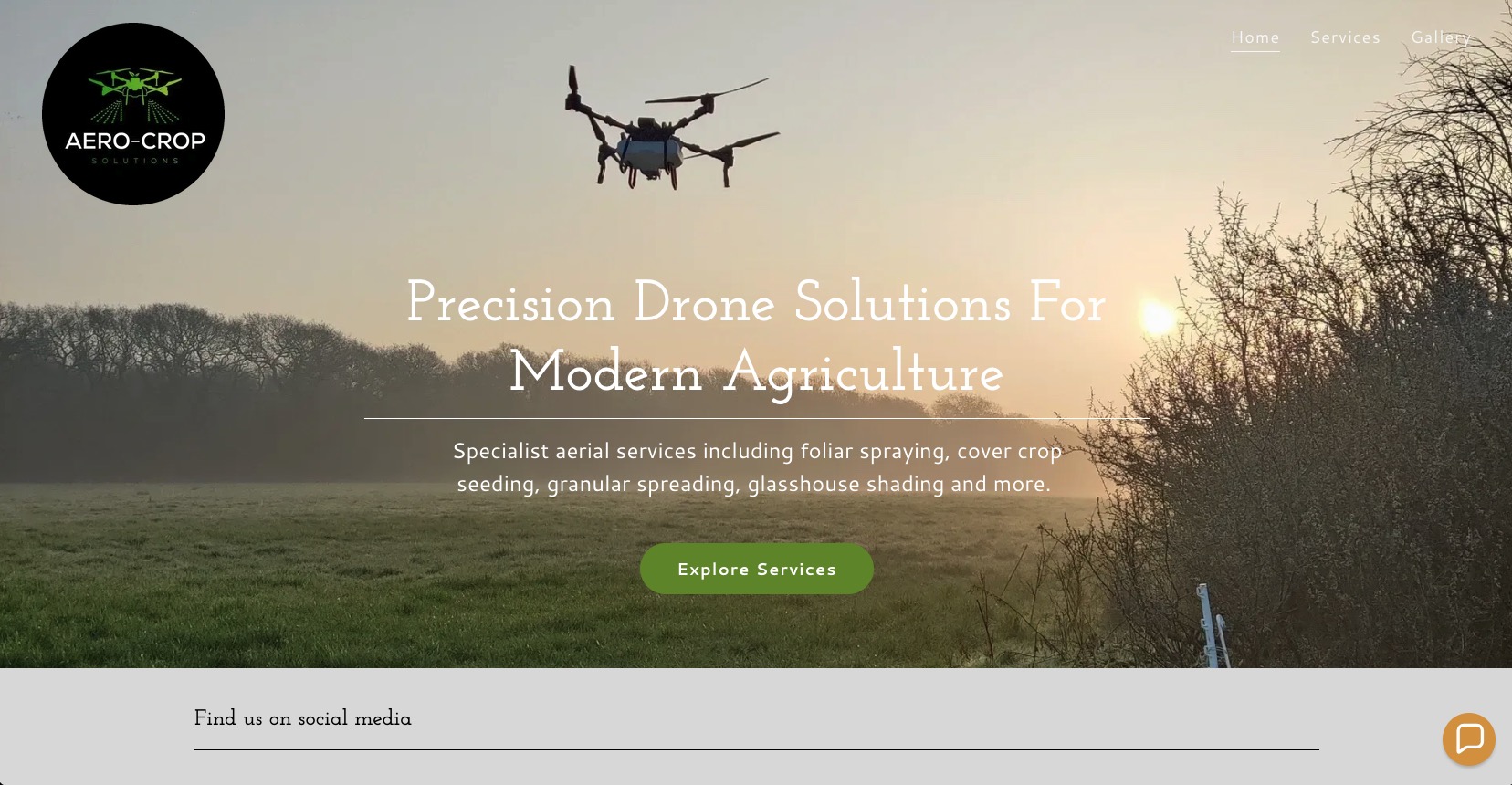
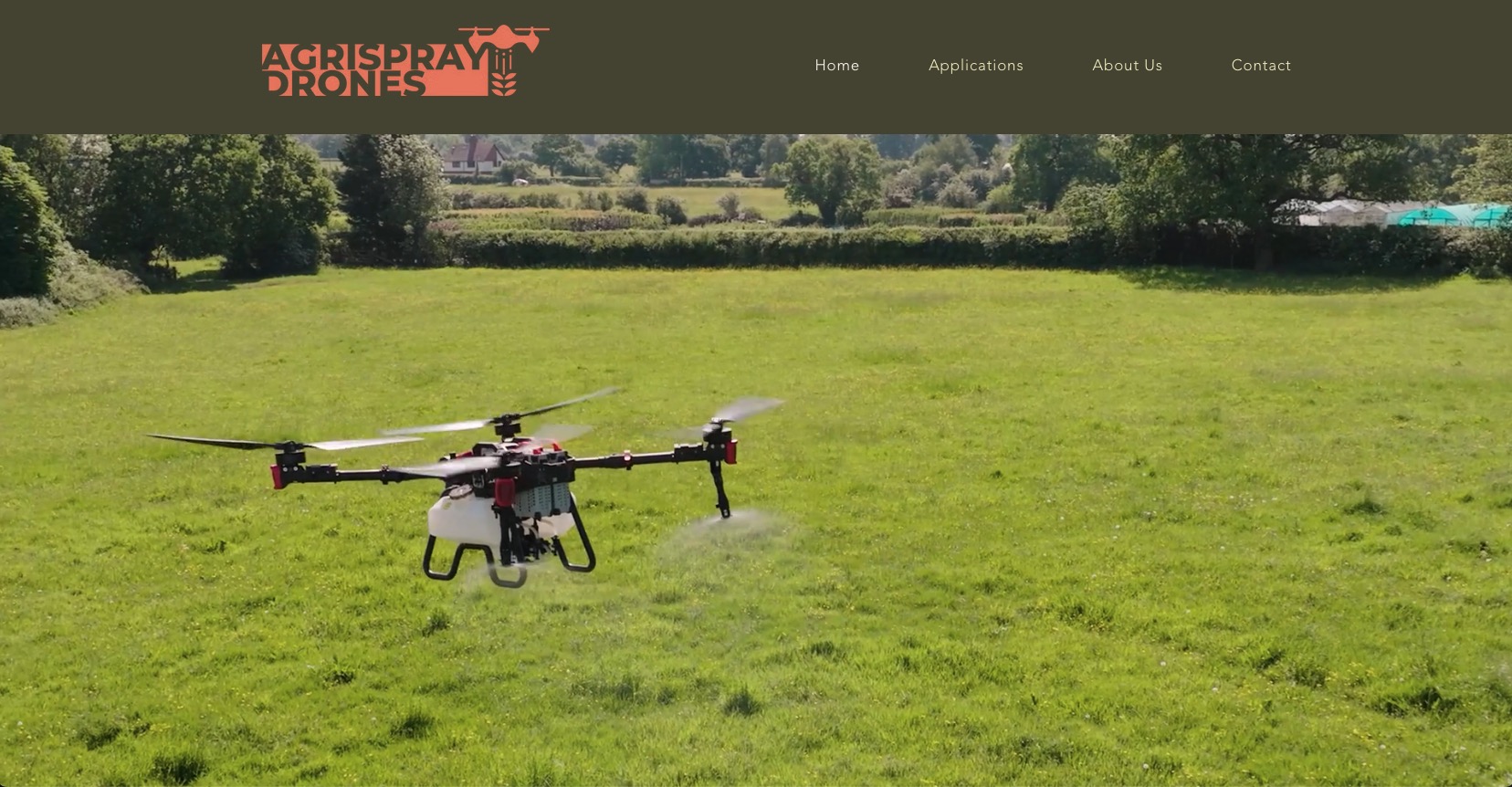
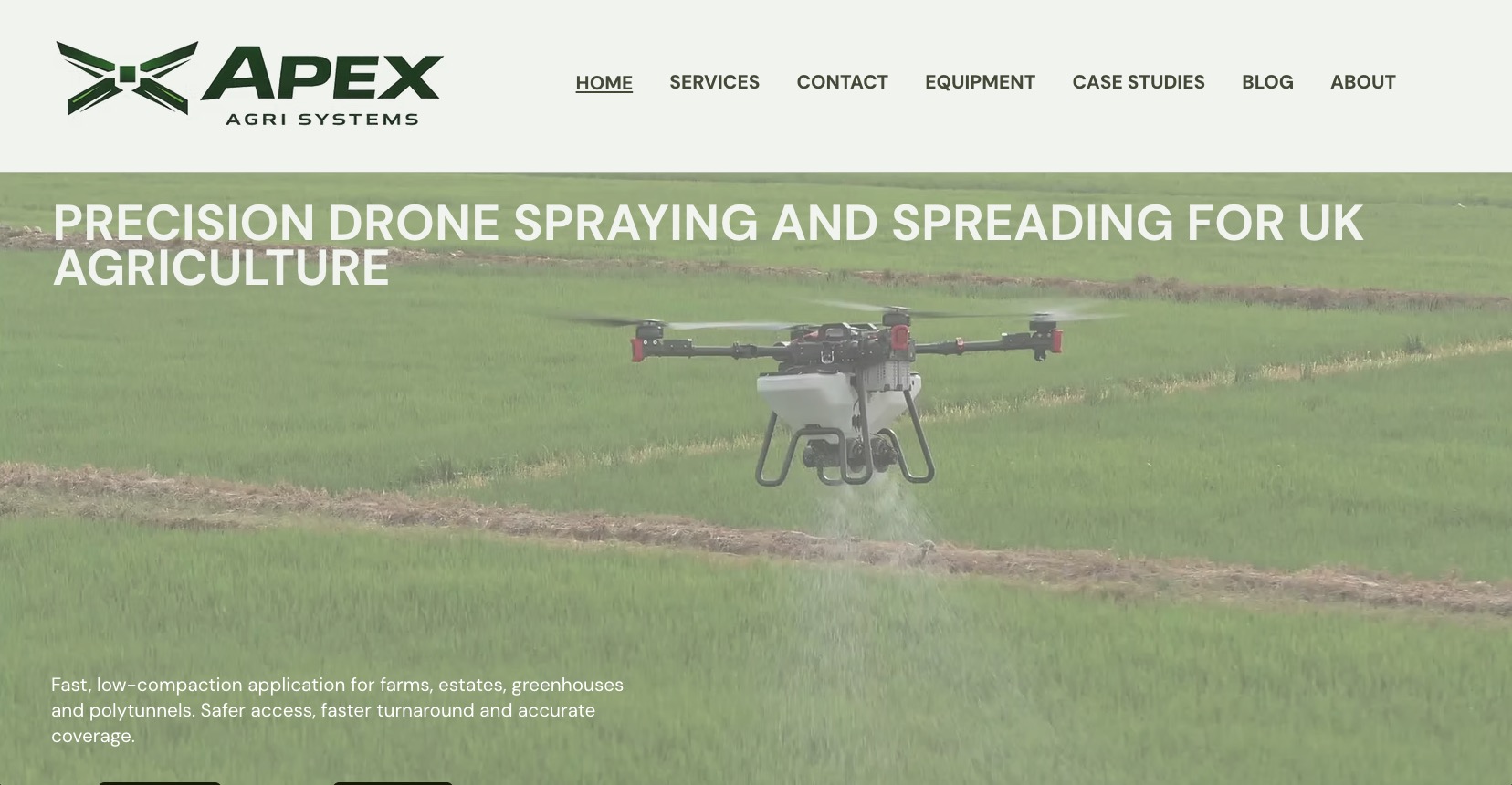
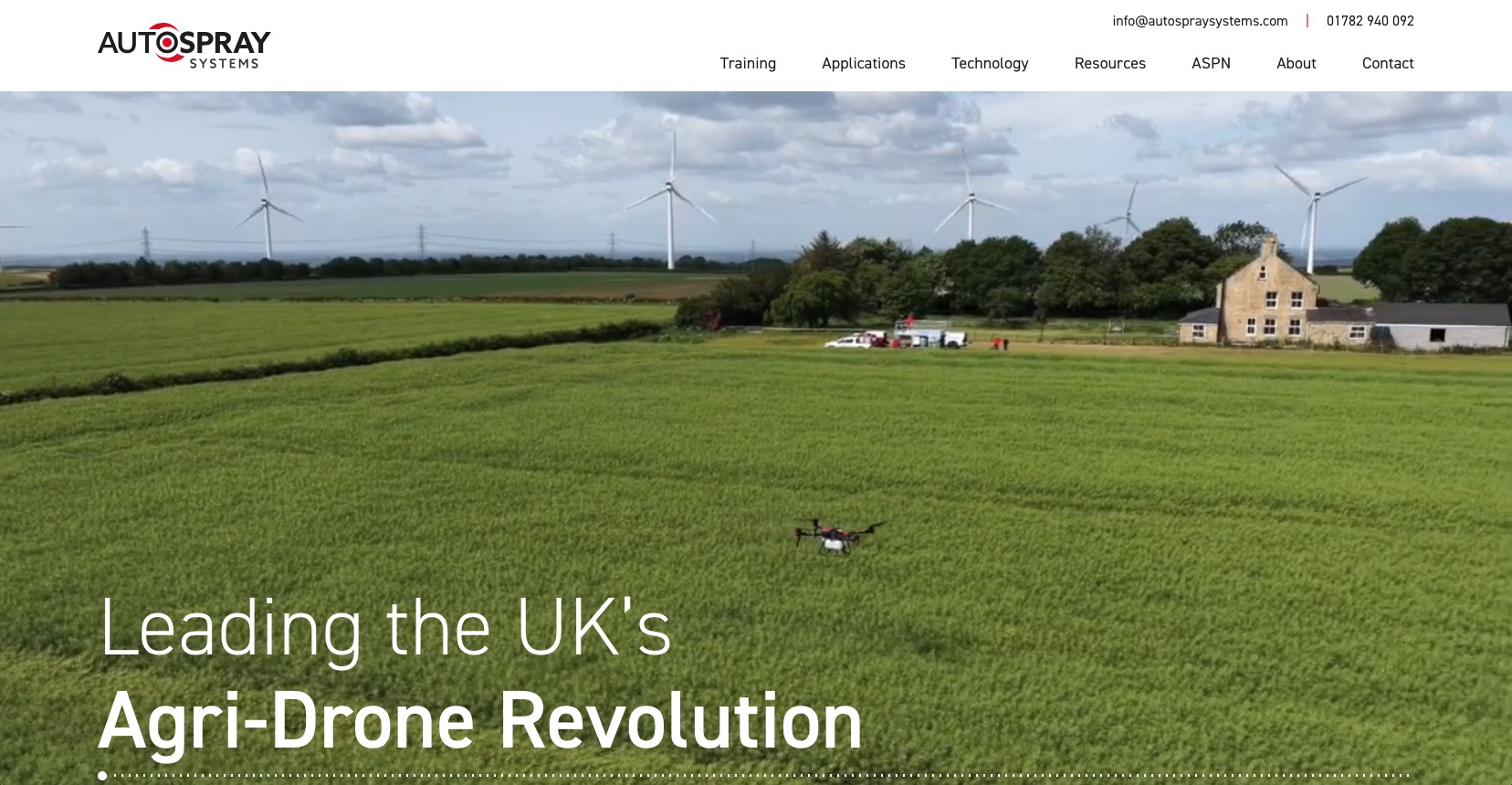
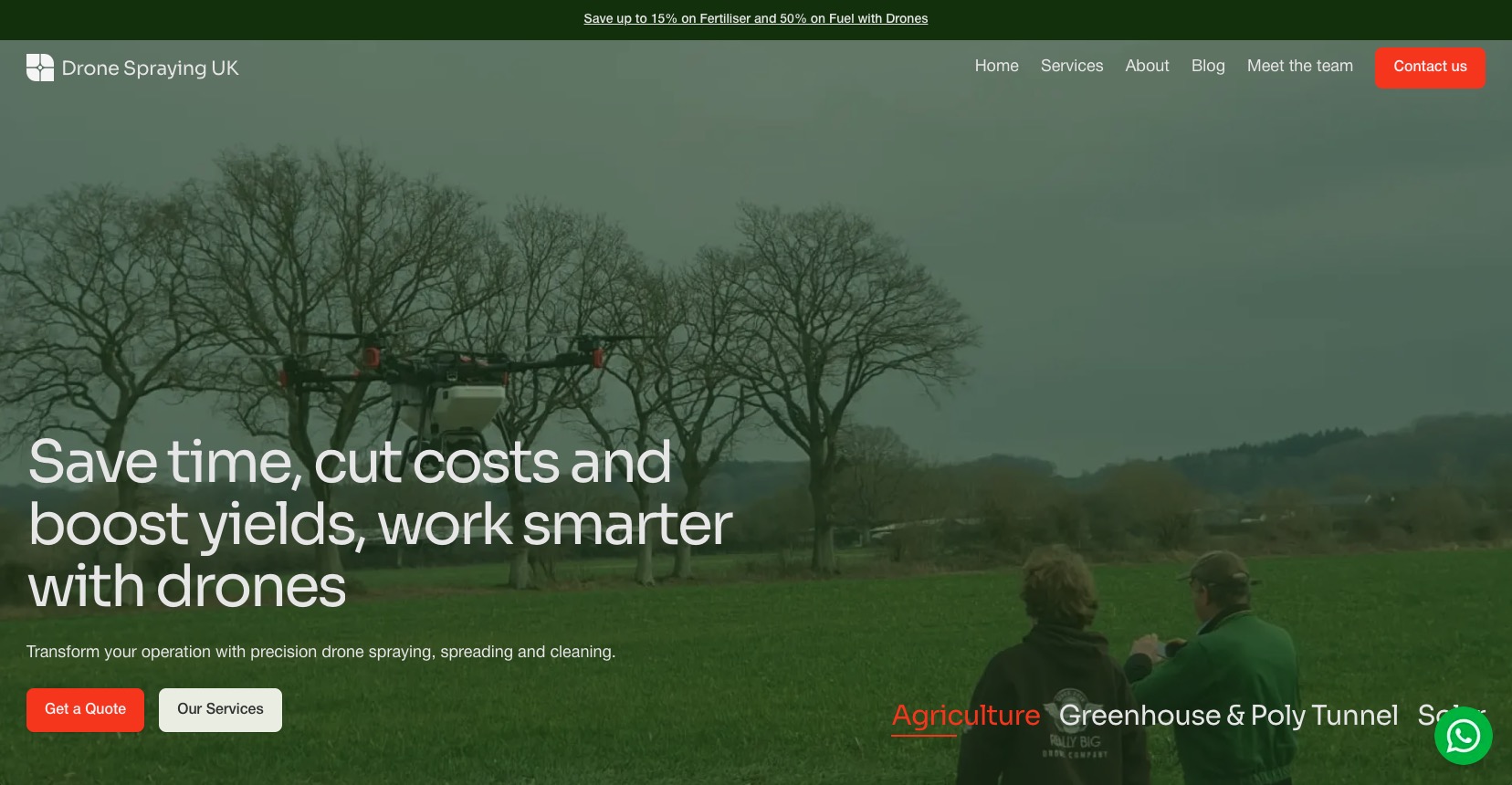
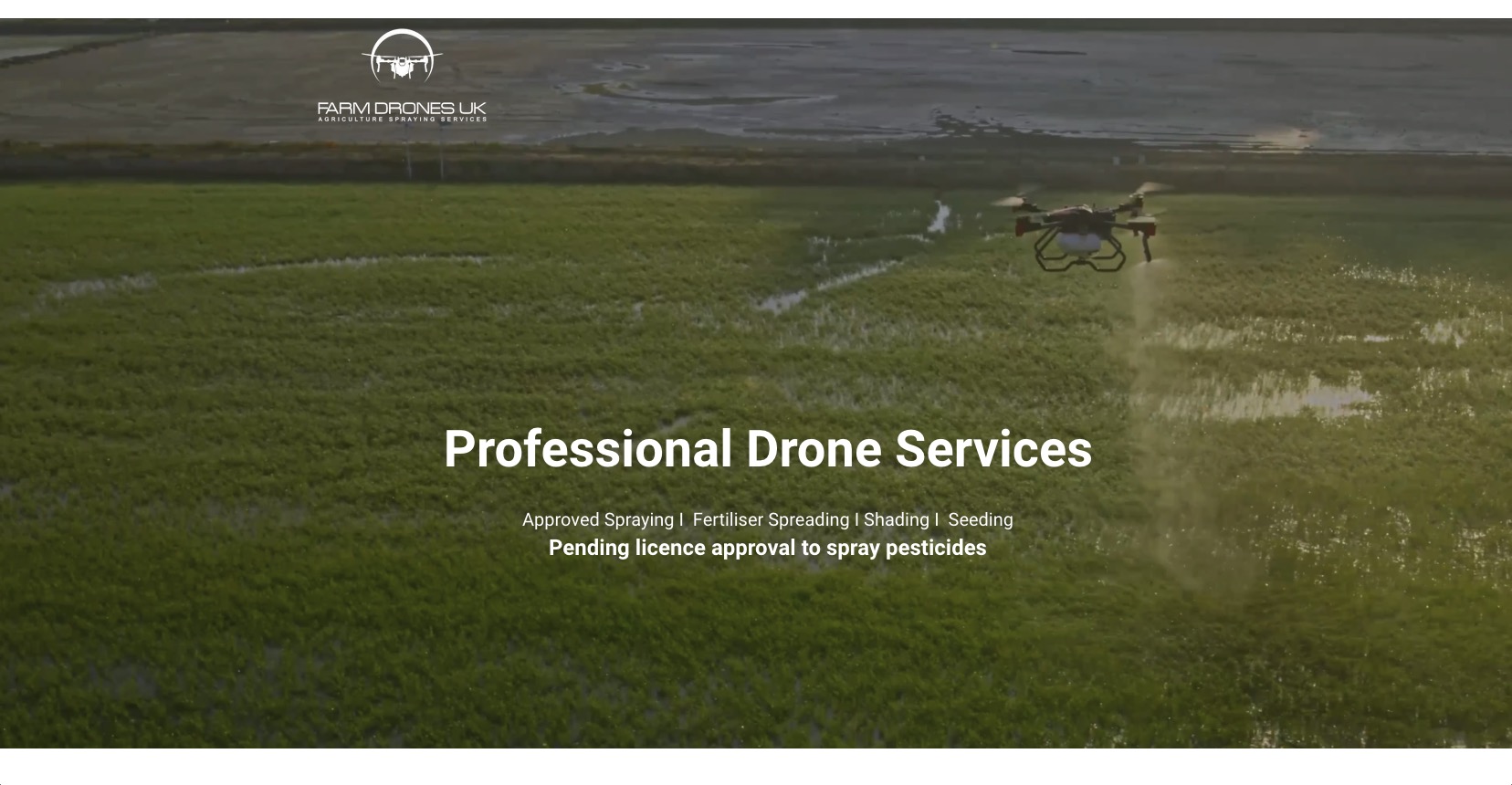
A drone operator brings an application aircraft carrying tens of litres rather than thousands. Output per hour is far lower and the cost per hectare is higher, so the case for a drone is never raw throughput. It is access. A drone reaches ground the sprayer cannot travel, treats blocks too small to justify setting a sprayer up, and leaves no wheelings behind.
There is also a regulatory difference that catches people out. Applying a licensed pesticide by drone counts as aerial spraying under UK law and is prohibited without a permit from the Health and Safety Executive for work carried out to an approved plan. Spreading granular products, seeding and mapping face nothing like the same restriction, which is why a large share of UK drone contracting work is spreading and seeding rather than spraying.
When a conventional contractor is the right call
- Large, open, accessible fields where a self-propelled sprayer can travel at speed and cover the ground in one pass.
- High-volume applications where water rates and tank capacity matter more than precision.
- Whole-farm programmes where the same product goes on every field at the same timing.
- Any pesticide job where the contractor already holds the product approvals and the site suits ground application.
When a drone operator is the right call
- Wet, steep or broken ground where a sprayer cannot travel safely, or would leave ruts and compaction behind.
- Small, irregular or fragmented blocks where the setup and travel time of a full sprayer outweighs the work.
- Field margins, corners, buffer strips and awkward corners that a boom cannot reach cleanly.
- Standing crops where wheelings would cost more in damage than the application is worth.
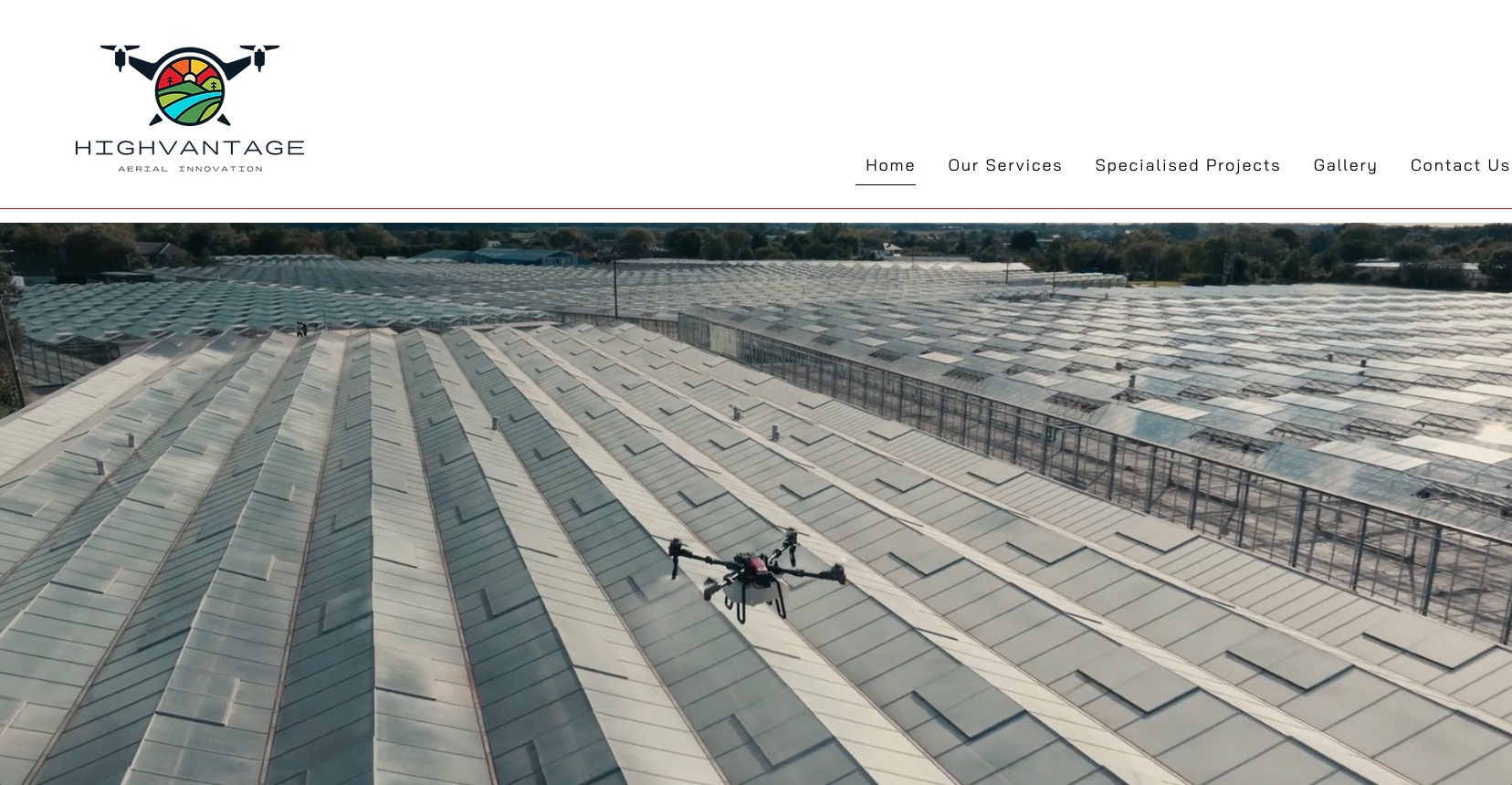
- Protected cropping, glasshouse and polytunnel sites where ground machinery does not fit.
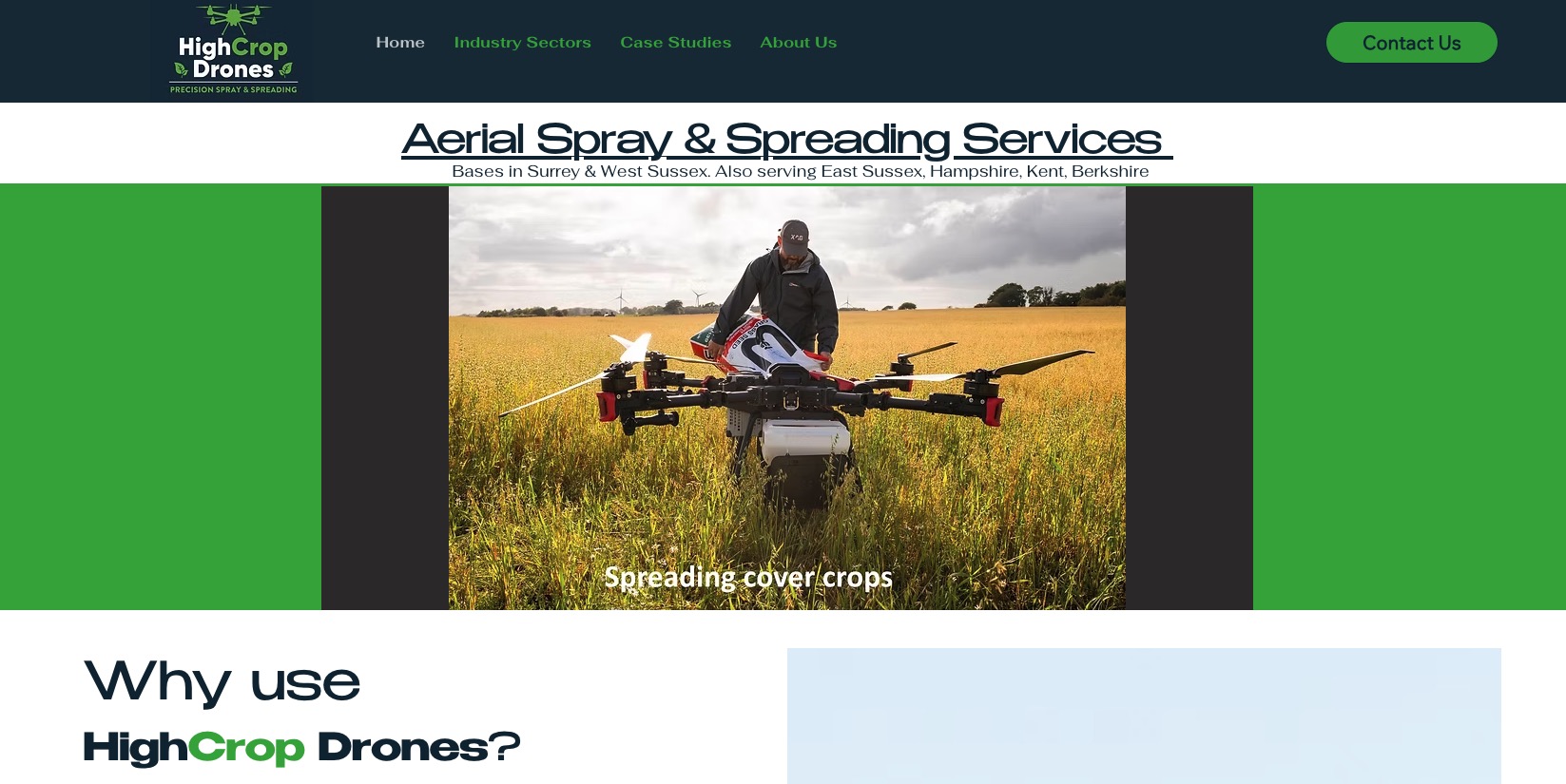
- Granular spreading and seeding work, which faces far fewer restrictions than liquid pesticide application.
What contract spraying costs
Conventional contract spraying is normally quoted per hectare or per acre, and the figure moves with area, product handling, water rate and how far the contractor has to travel. Drone application is quoted the same way but starts higher, with guide figures often from around £14 per acre for straightforward work, rising steeply on small, awkward or remote sites where travel and setup are spread across less ground.
The useful comparison is not the headline rate. It is the total cost of getting the job done properly, including crop damage from wheelings, the value of hitting a narrow timing window, and whether the alternative is the job not getting done at all.
How to brief a contractor and get comparable quotes
Send the same information to every contractor you approach. Quotes that arrive on different assumptions cannot be compared, and vague briefs get padded prices.
- Field size in acres or hectares, and the postcode.
- Crop and growth stage, or site type for non-crop work.
- The product, target application rate and water volume where relevant.
- Access notes: gateways, tracks, overhead lines, buildings, watercourses and public rights of way.
- Timing, including the window you need the work done in and any weather constraints.
- Whether you need records, maps or proof of application afterwards.
Ask every contractor, conventional or drone, to state what they are permitted to apply, who holds the relevant certification or authorisation, and what insurance covers the work. A contractor who answers those questions clearly is usually the one worth booking.
Find crop spraying contractors by region
Browse operators covering your county, or send one quote request and we will pass your details to operators who cover your area.
Related pages
- Drone spraying services in the UK
- Drone spreading services
- Is drone spraying legal in the UK?
- Drone spraying vs traditional spraying
- Browse the full operator directory
UK Agricultural Drones is a directory and information resource, not a contractor. Use the listings below as a starting point and confirm credentials directly before any work begins.
Frequently asked questions
What do crop spraying contractors charge in the UK?
Conventional contract spraying is usually priced per hectare or per acre and varies with area, product handling, water rate and travel. Drone application guide figures often start from around £14 per acre for straightforward work and rise sharply for small, awkward or remote fields, because travel and setup are spread over less ground. Neither has a single national rate, so send the same brief to two or three contractors and compare like for like.
Are drone operators the same as crop spraying contractors?
They overlap but they are not the same thing. A conventional contractor runs ground machinery and typically holds the spray certificates and product approvals for the work they do. A drone operator flies an application aircraft and, in the UK, needs a permit from the Health and Safety Executive to apply pesticides at all, because that counts as aerial spraying. Many drone operators therefore concentrate on spreading, seeding and mapping, where the rules are far less restrictive. Ask any contractor to explain exactly what they are permitted to apply.
How do I find crop spraying contractors near me?
Start with the region pages on this site to see which operators cover your county, then send the same brief to two or three so the quotes are comparable. If you would rather not chase them individually, send one quote request and we will pass your details to operators covering your area.
Is drone crop spraying legal in the UK?
Applying a licensed pesticide by drone falls within the legal definition of aerial spraying under the Plant Protection Products (Sustainable Use) Regulations 2012, which is prohibited unless the work is carried out to an approved plan under a permit issued by the Health and Safety Executive. Spreading granular products, seeding and mapping are far more accessible. This is the single most important question to ask any drone contractor before booking.
Can a drone replace a conventional sprayer?
Not for broadacre work. On large accessible fields a boom sprayer is faster and cheaper per hectare, and that is unlikely to change soon. The honest case for a drone is the ground a sprayer cannot reach, the jobs too small to justify setting one up, and the situations where wheelings would cost more than the application saves.